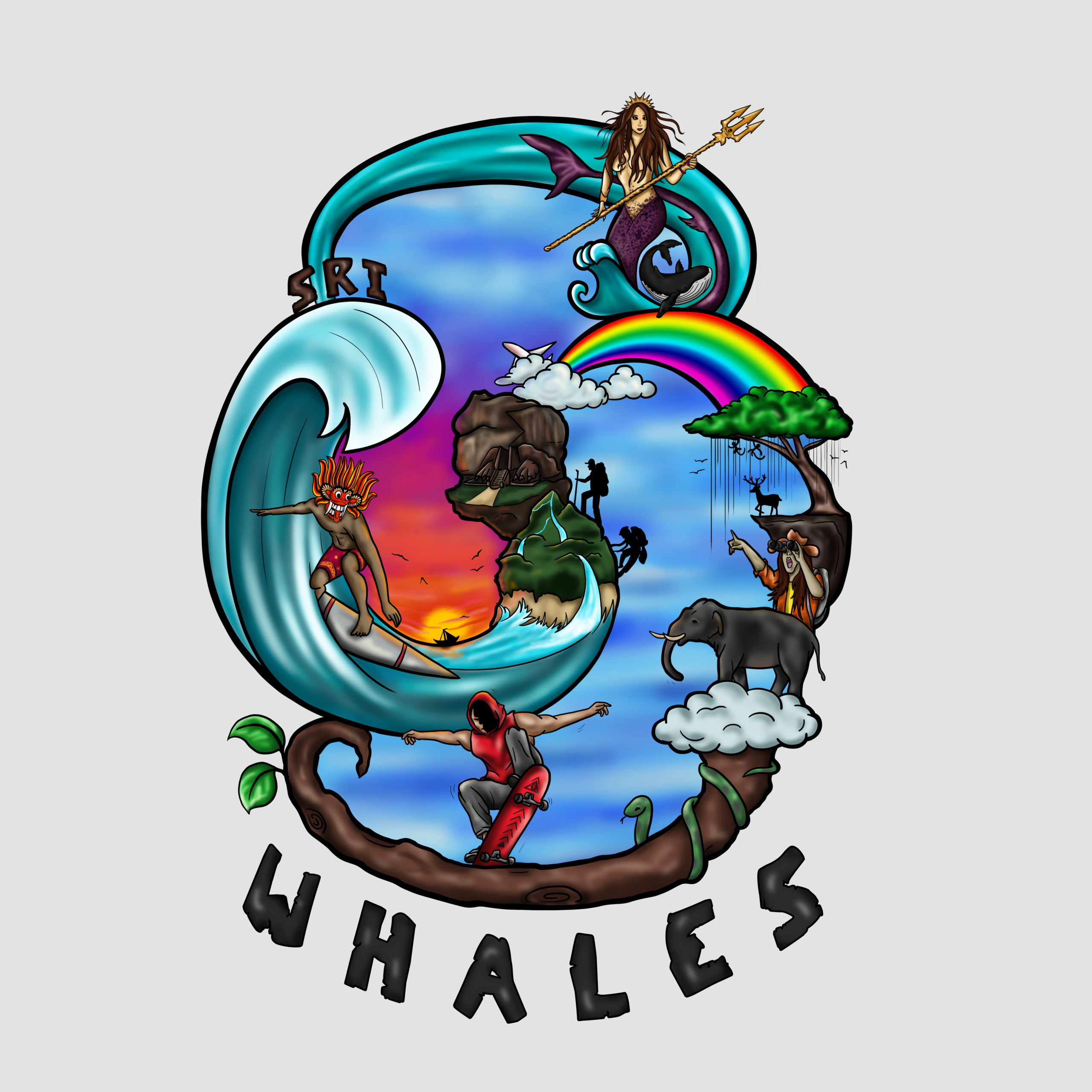
The ocean’s gentle giant the blue whale gliding past Sri Lanka’s coast a marvel of size power and calm intelligence
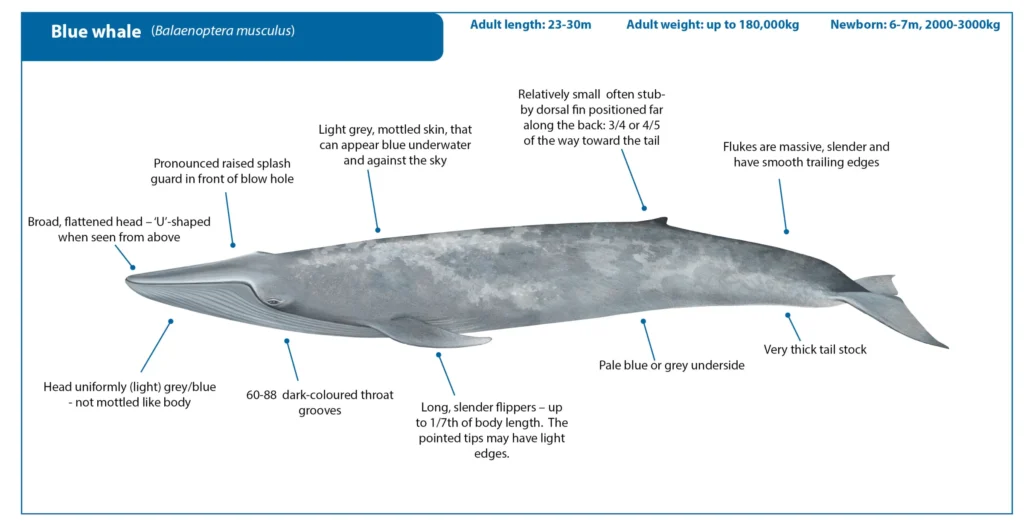
The blue whale is the largest animal on Earth. Just seeing one surface near Mirissa can make you feel both tiny and amazed. These giants can reach 24 to 30 metres in length and weigh as much as 200 tons. Despite their size they are surprisingly graceful as they move through the water
Their diet is simple yet enormous. Blue whales eat thousands of kilograms of krill every day. They dive and surface with effortless rhythm and communicate using low‑frequency calls that can travel hundreds of kilometres under the sea. It’s a reminder that even the biggest creatures live by simple rules that nature designed perfectly
Watching a blue whale surface is unforgettable. You’ll see a tall straight blow shoot into the air followed by a smooth arch of the back and then a massive tail disappearing into the waves. The sheer scale of their body and elegance in motion makes every moment feel like a window into another world
Local note for Mirissa, Sri Lanka:
Mirissa is one of the best places in the world to see blue whales. There are more than 350 resident blue whales off the south coast. They are often spotted near deep-water areas close to shore, giving visitors a great chance to see these magnificent creatures.
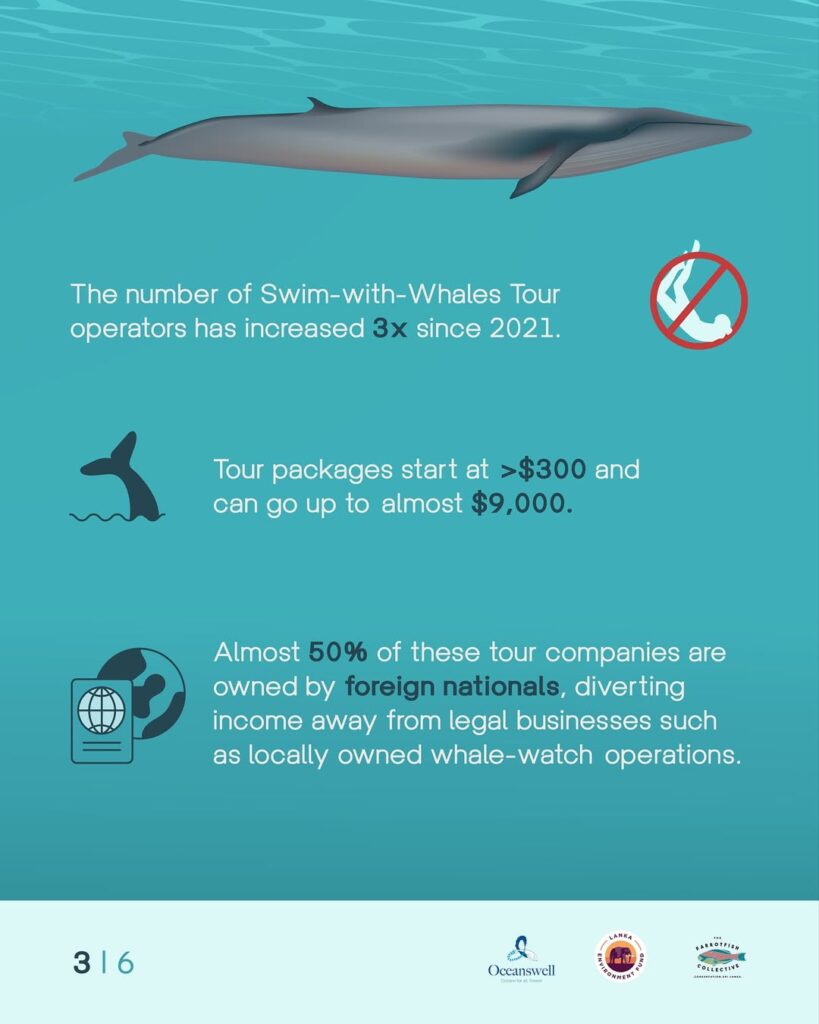
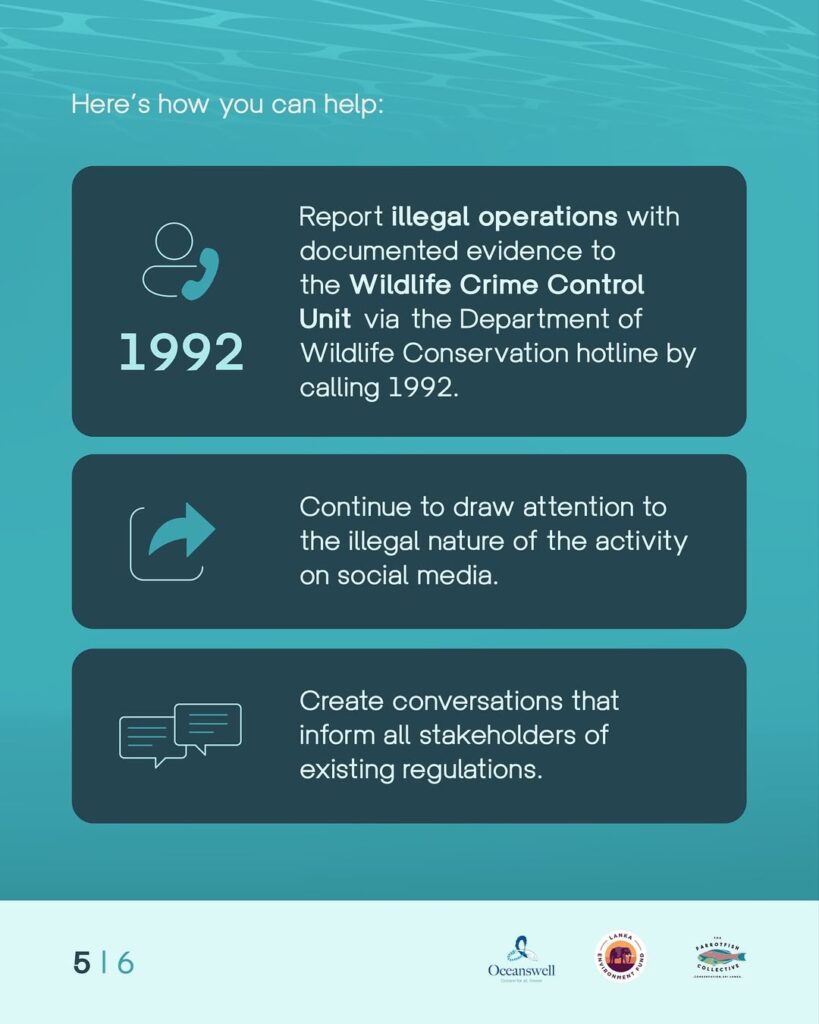
The golden era of whale watching in Sri Lanka was before 2021. After the X-Press Pearl disaster, our marine life and environment changed rapidly. Now things are slowly healing and returning to normal, but whales still do not have full freedom. Illegal whale divers and careless boat operators continue to disturb them.
As a visitor you might want to dive with whales or get very close on a whale-watching tour. That’s exciting, but it’s important to remember that we have a responsibility to protect wildlife, not harm it. Enjoy the whales, admire them, and respect their world because the ocean isn’t ours, it belongs to them too.



How to identify blue whales in the water:
Blue whales have a tall straight spout that can reach 10 to 15 feet high. On a clear day you can often see their spout from more than 5 miles away, making it the easiest sign that a blue whale is nearby.
To identify them by their body, look for a long slender shape, a tiny dorsal fin positioned far back, and a broad flat fluke when they dive. Their bluish-grey skin often has lighter mottled patches that shimmer in sunlight. These features make them distinct from other whales around Mirissa and help you recognize these gentle giants even from a distance.