
Expert Whale-Watching Consultancy in Sri Lanka
About Us
Based in Mirissa, Sri Whales was founded by a passionate ocean lover with over eight years of experience working in Sri Lanka’s whale-watching industry. Having witnessed every species of whale in our waters, we understand how to create safe, unforgettable, and meaningful whale-watching experiences.
Our Mission at Sri Whales
At Sri Whales, we believe whale watching should be more than just a tour — it should be a meaningful connection with nature. We make every trip easy, safe, and enjoyable by partnering with trusted operators and experienced guides to offer fair pricing and unforgettable experiences. Our goal is to help travelers create lasting memories while discovering the incredible whales that call Sri Lanka’s waters home.
We’ve seen both the beauty and the challenges these gentle giants face. That’s why our mission is to protect whales from harm and promote responsible whale watching. Many tour companies still ignore international guidelines or prioritize profit over wildlife — but we choose a different path. We work only with ethical operators who follow proper whale-approach practices, ensuring every encounter is respectful, educational, and truly unforgettable.
contact us

Q & A
why choose us?
We provide a personal guide on every tour, making your experience both fun and educational. Experiencing nature is the best way to learn, and our guides share fascinating facts about the ocean and local wildlife throughout the trip. The best part? This personal guidance is completely free — you only pay the exact amount charged by the whale-watching company.
Are whales and dolphins 100% guaranteed?
No, and honestly, that’s just nature. Some things are almost always around — like flying fish, which you’ll usually see all over the place during a tour — but some days, you might not spot a single one. We call those “dead days,” and they happen sometimes.
What time do the tours start and how long do they last?
Tours usually start around 6:30 to 7:00 a.m., so we recommend that guests arrive at the harbor at least 30 minutes earlier to check in and get ready before departure. The trip usually lasts 3 to 5 hours, depending on where the whales are spotted and the sea conditions — but on some days, tours can take a little over 5 hours when the whales are farther out at sea.
What should I bring for the tour?
Just sunglasses and suncream, and maybe a towel — the sea can get a little rough sometimes, and you might get wet. If you’re coming with children, it’s a good idea to bring a towel for them too.
Do you provide food or drinks on board?
Yes, most companies usually offer light snacks such as burgers, sandwiches, cake, and bananas. They also provide water and cold drinks. However, if you prefer a full meal or have specific food preferences, you are welcome to bring your own food and drinks on board.
Can I dive with whales?
No — in Sri Lanka, diving or swimming with blue whales is strictly prohibited by law. Still, some people do it illegally, but it’s not worth the risk. If the authorities catch you, there can be serious consequences, including jail time.
Blue whales are very curious and gentle creatures, but they are also easily frightened by the sound of boat engines or sudden movement in the water. Getting too close can stress them out or even cause them to change their natural behavior — and we want to keep them safe.
If you really want to experience diving with whales, you can do it legally in other countries where it’s carefully managed — for example, swimming with humpback whales in places like Tonga or French Polynesia. But here in Sri Lanka, the best and most responsible way to enjoy these incredible animals is to watch them from a licensed whale-watching boat and let them stay wild and free.
What happens if we don’t see any whales?
If you don’t see any whales, most companies will give you a free tour the next day. But keep in mind, there are no refunds, and you’ll still have to pay the government tax again because it’s charged for every trip. If you want to go again on the third day, you’ll need to pay the full amount (the company fee and the tax).
Why is Mirissa one of the best places in the world to see whales?
Mirissa, a beautiful coastal town on Sri Lanka’s southern edge, is perfectly positioned just 6 kilometers from deep ocean waters along the continental shelf — an ideal feeding ground for blue whales. The nearby Nilwala River and other small rivers bring nutrients to the sea, supporting krill, the whales’ main food. Combined with upwelling currents that bring even more nutrients to the surface, these conditions allow whales to feed close to shore, giving visitors an excellent chance to see them.
Here, you can spot blue whales, sperm whales, Bryde’s whales, and dolphins in their natural habitat, making Mirissa a top destination for anyone seeking an unforgettable marine wildlife experience.
Whales and Dolphins You Can See in Sri Lanka
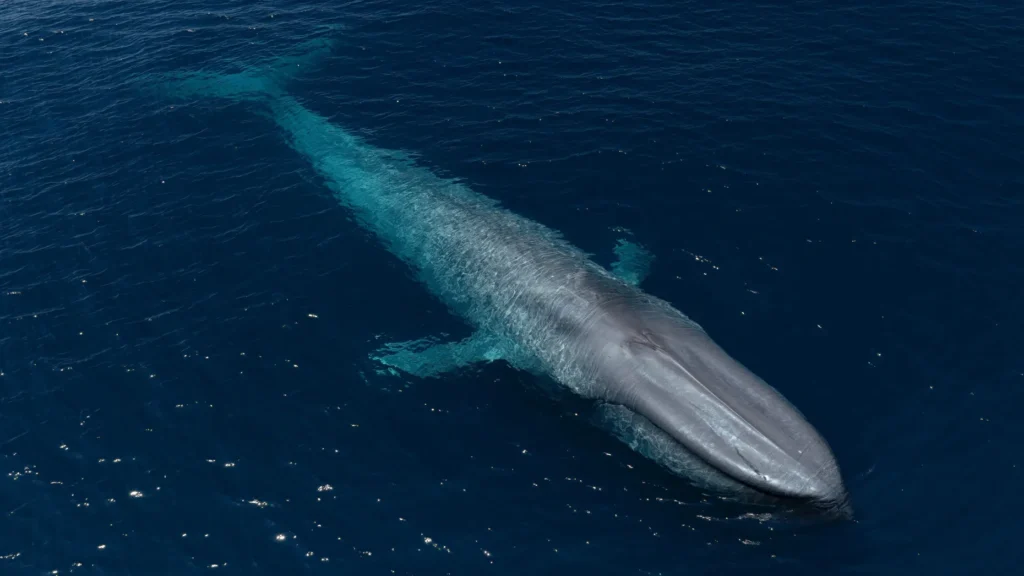
Blue whales
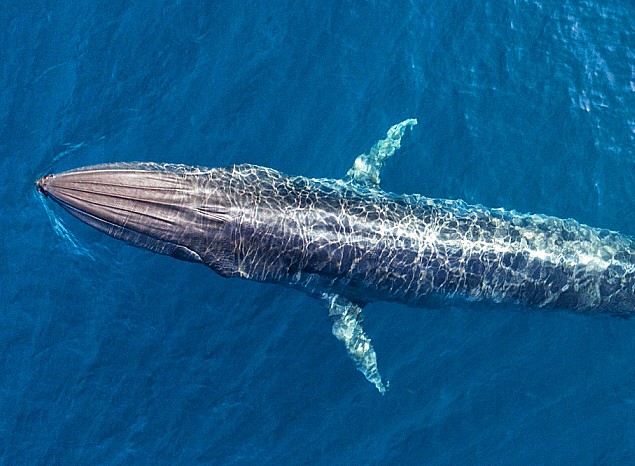
Bryde’s whales
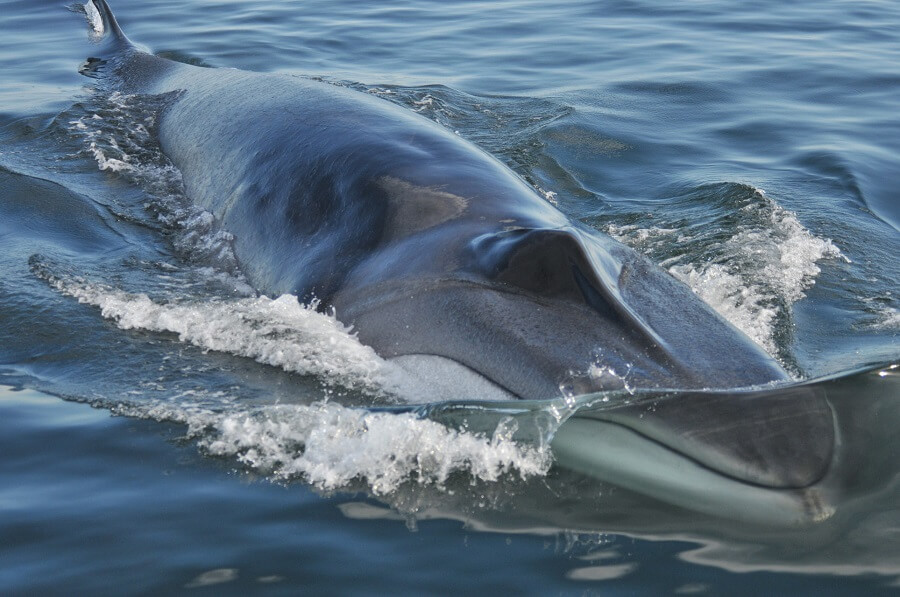
Fin whales
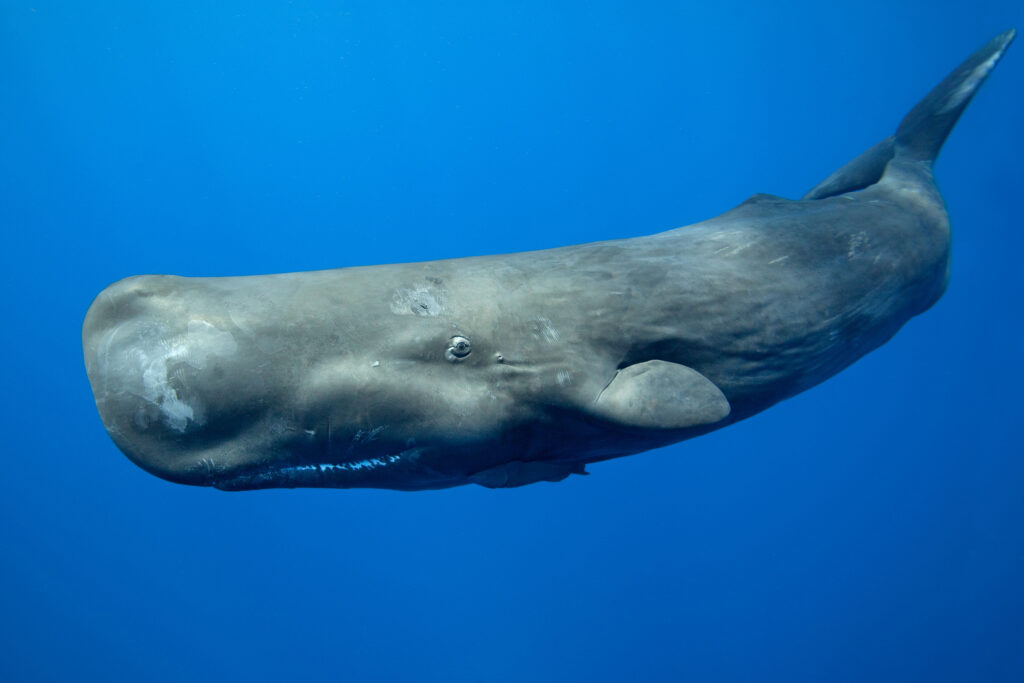
Sperm whales
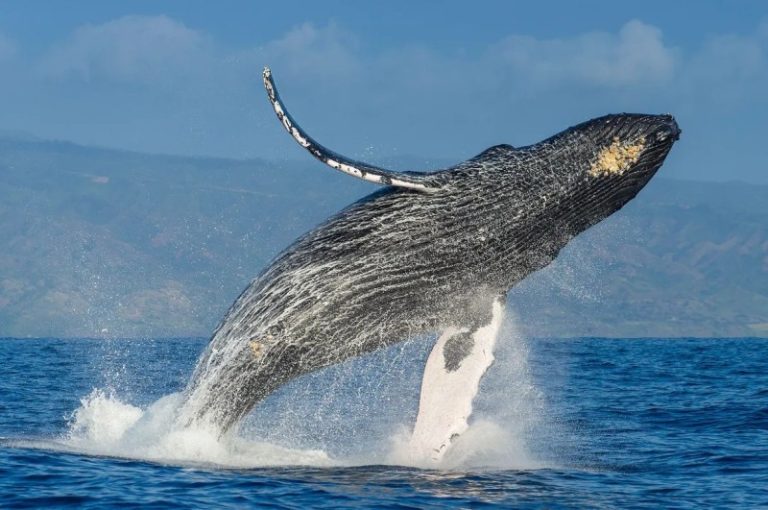
Humpback whales
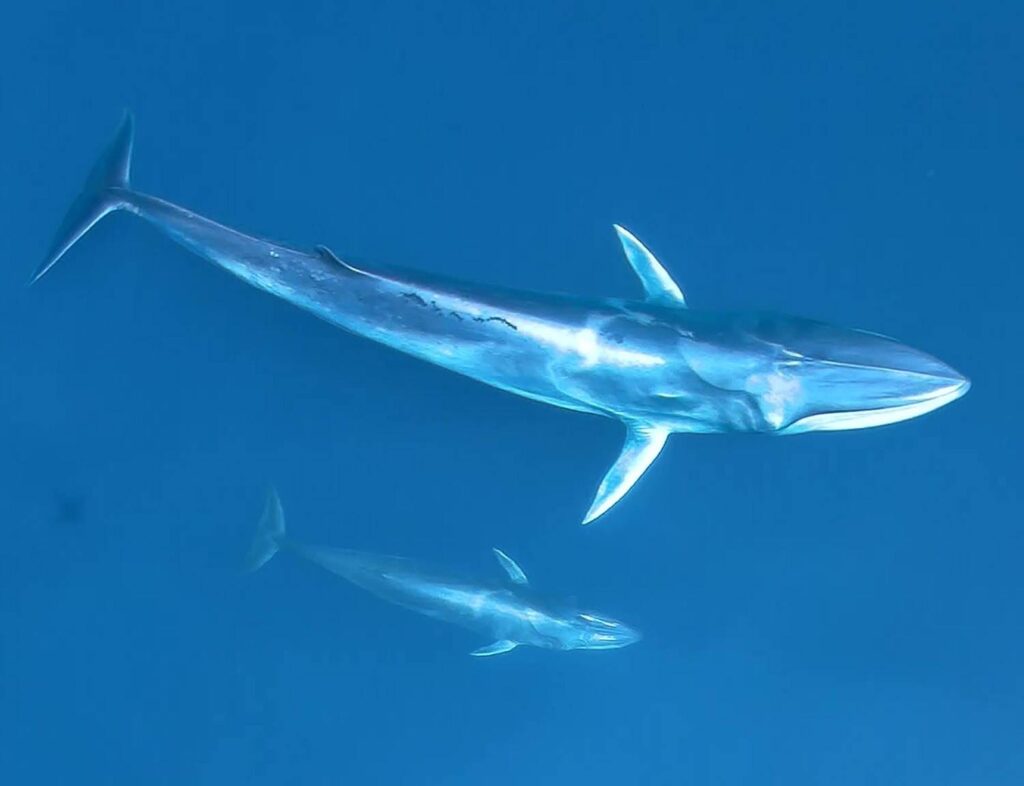
Omura’s whales
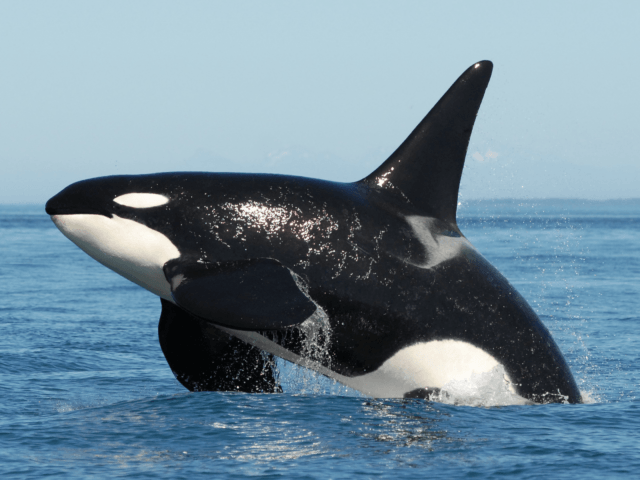
killer whale (Orca)
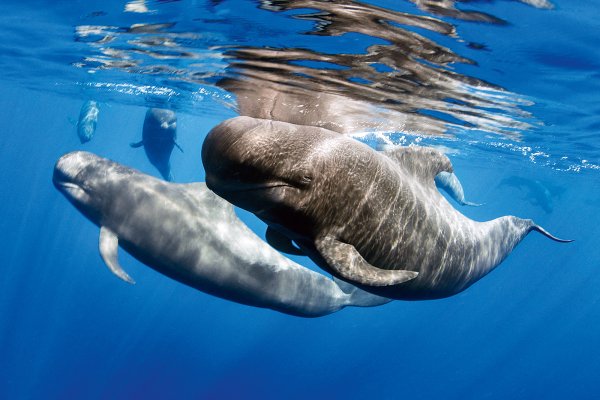
Pilot whales
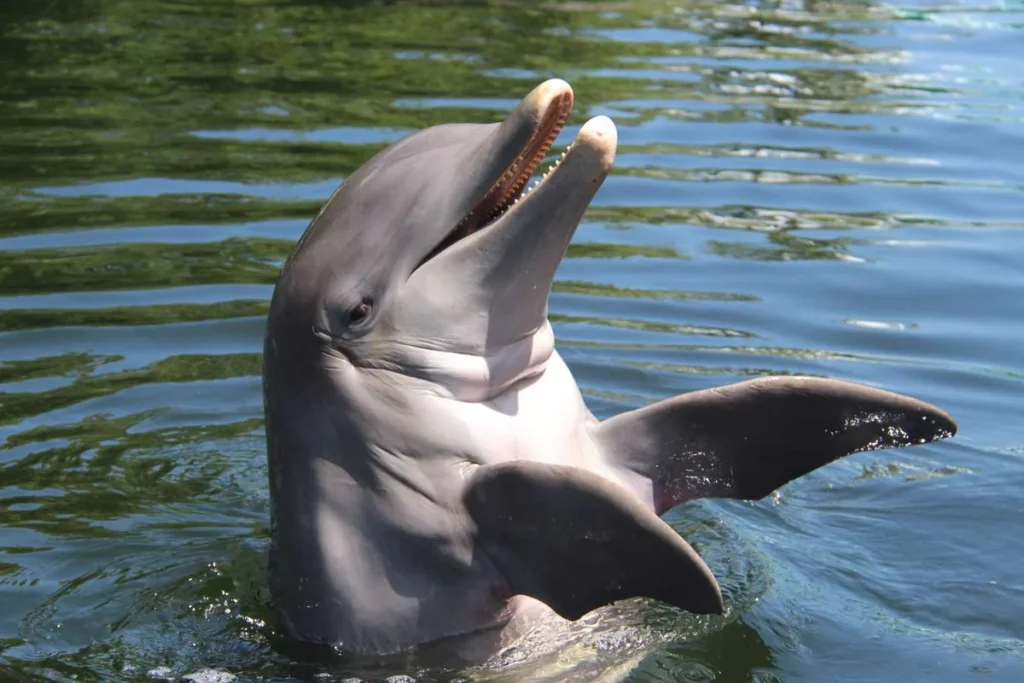
Bottlenose dolphin
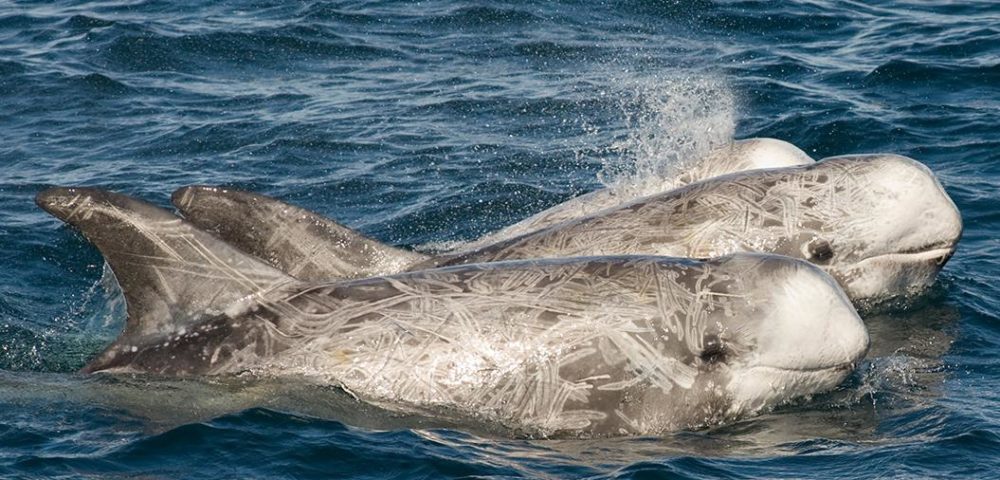
Risso’s dolphin
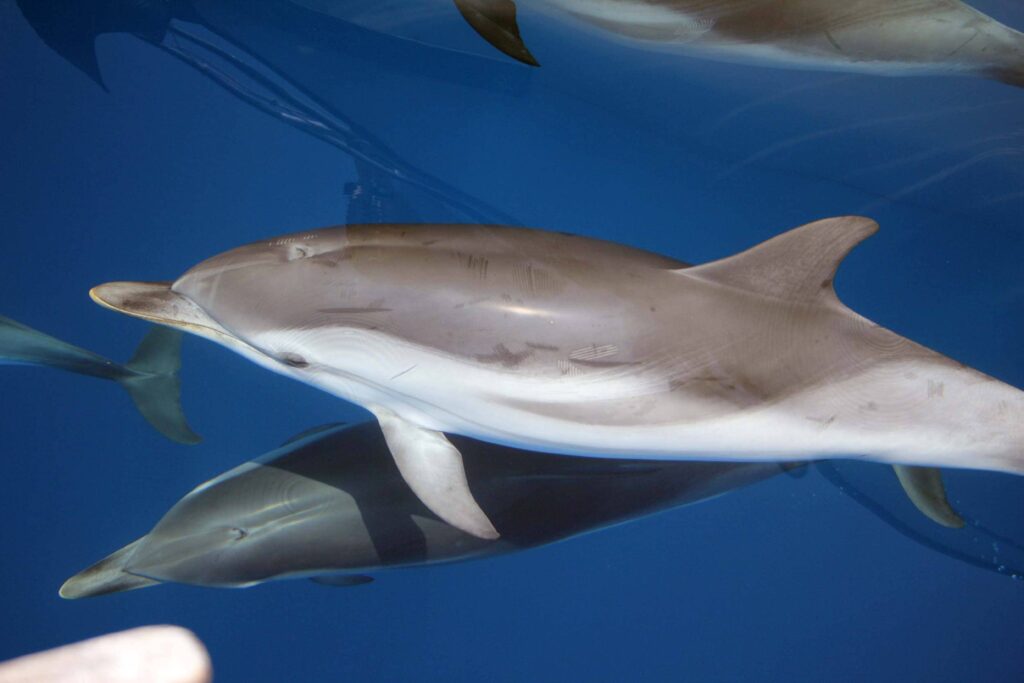
Striped dolphin
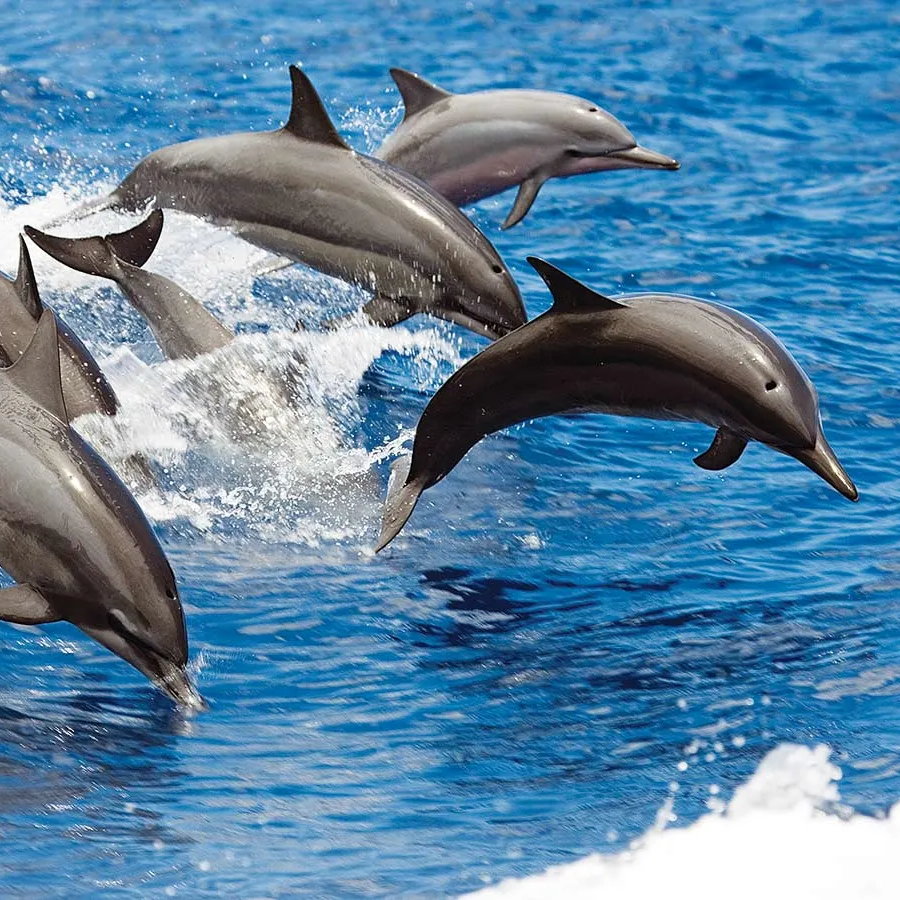
Spinner dolphin
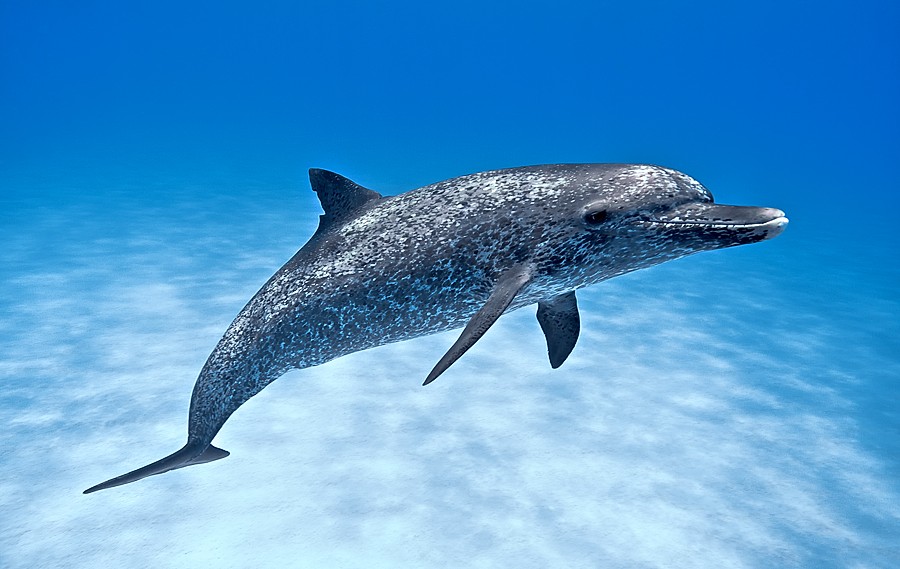
Spotted dolphin
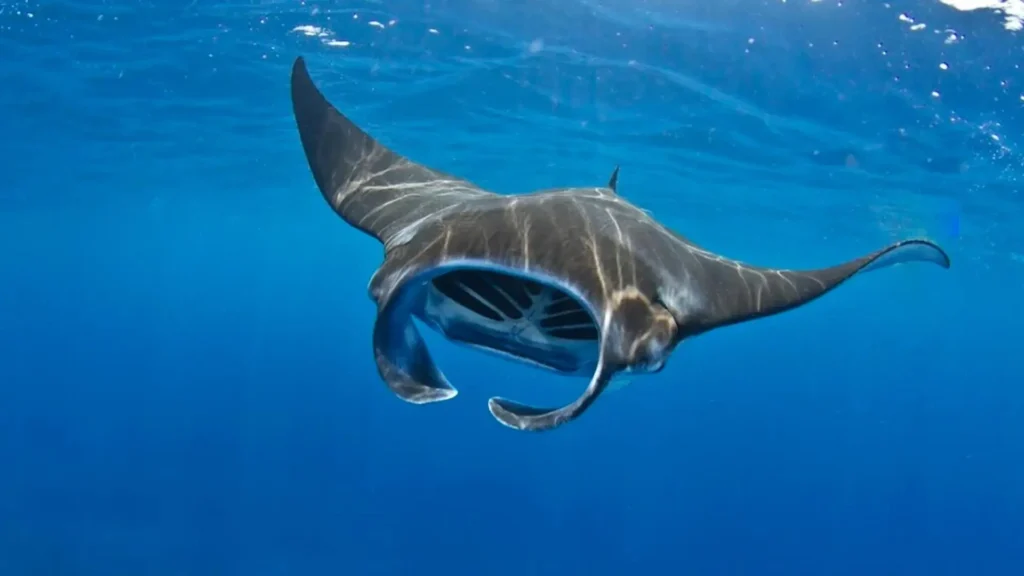
Manta ray
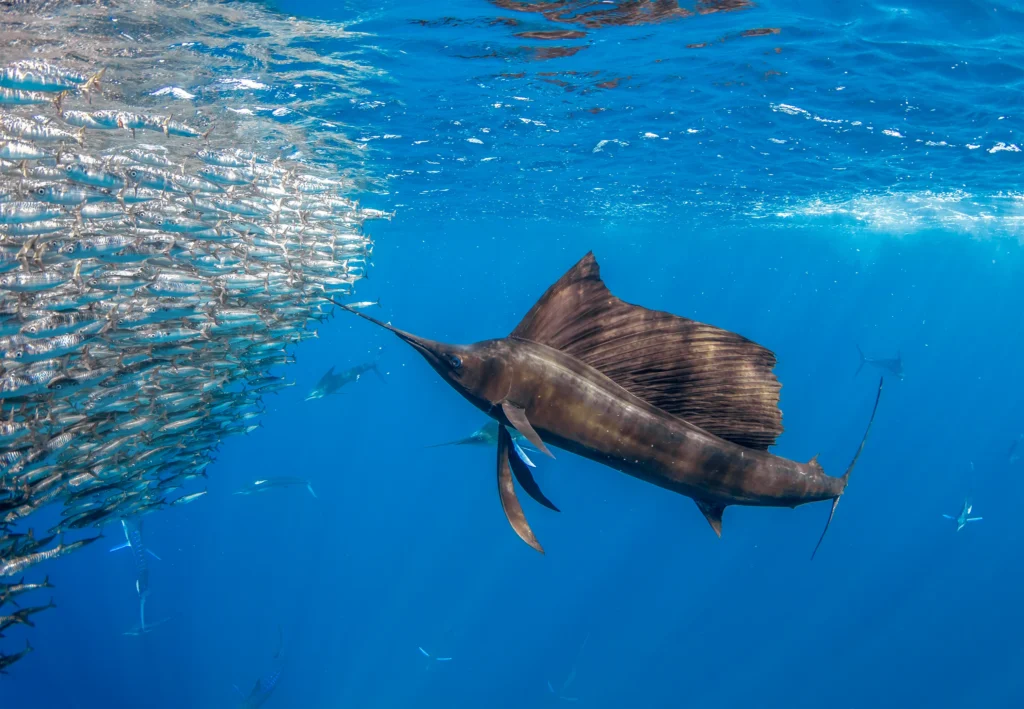
Sailfish
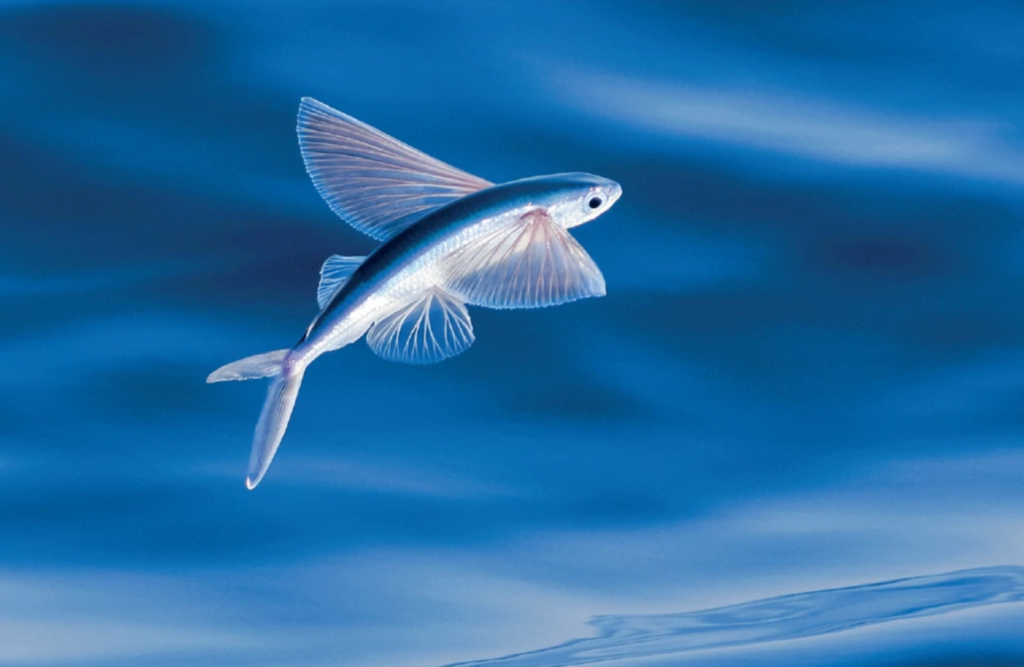
Fling fish
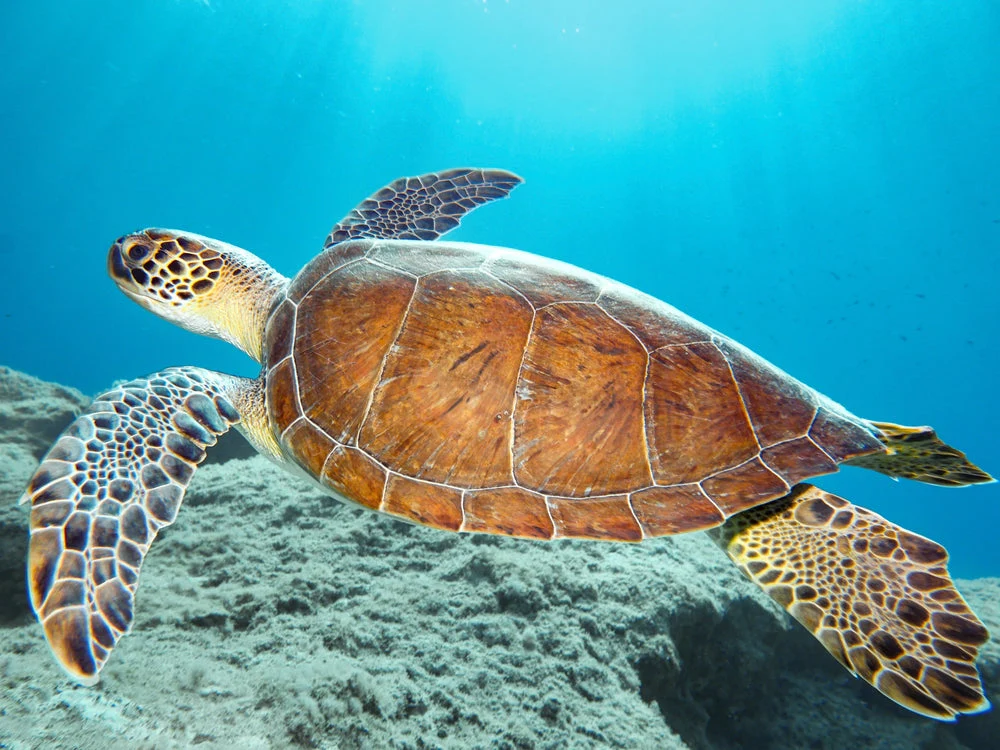
Green turtle
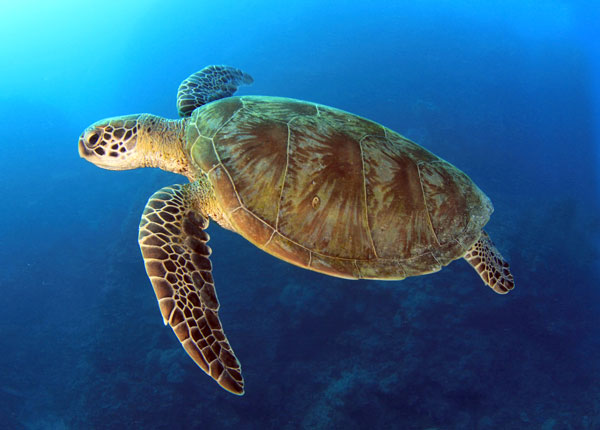
Loggerhead turtle
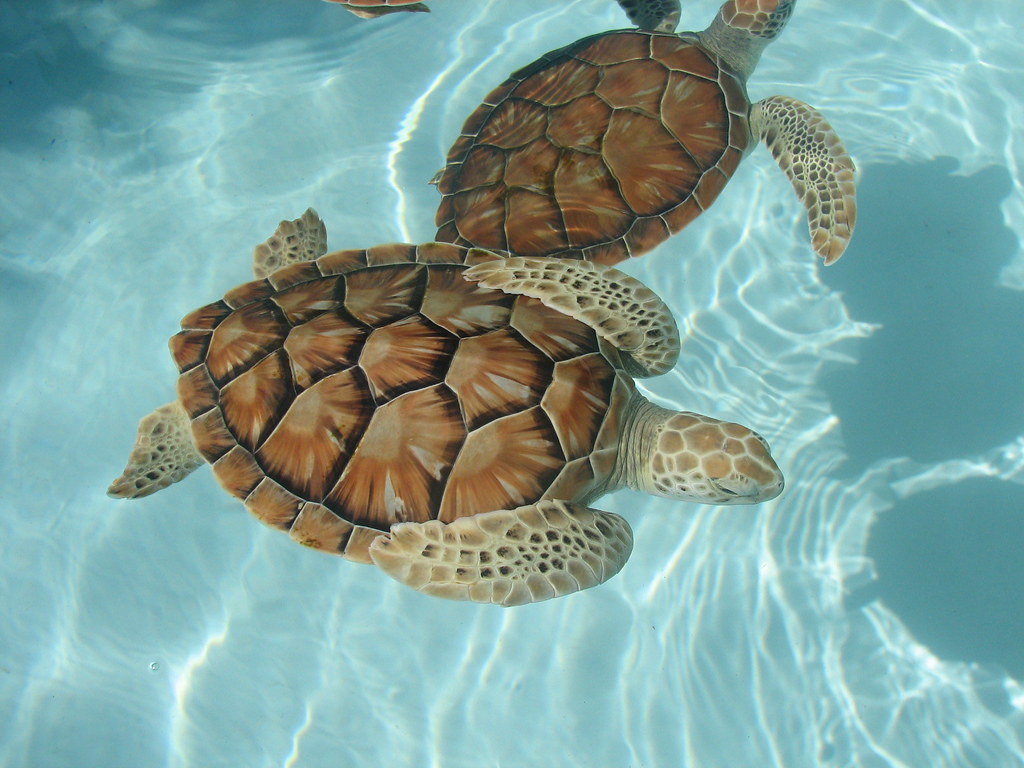
Olive ridley turtle
